Keep Your Computer Safe: Easy Ways to Avoid Viruses and Data Loss
Keeping your PC safe from viruses and preventing data loss isn't just a good idea—it’s a must. Cyber threats are getting smarter and more frequent, so both individuals and small businesses need to be ready. In this guide, you'll find practical steps to safeguard your computer, pick the right tools, set up reliable backups, and know how to act fast if something goes wrong. If you need immediate assistance, our virus and malware removal service can help you clean up a compromised computer and recover your data.
Why Your Computer Needs Protection Now
How Cyber Threats Are Evolving
Malware, ransomware, and phishing attacks are no longer just targeting big companies. They’re coming for personal computers too, often because they’re less protected but still hold valuable information like financial records and personal documents. Recent reports show more frequent and complex attacks, making it crucial to stay informed and proactive to avoid these threats.
The High Cost of Doing Nothing
Ignoring potential threats can cost you more than investing in good security software. Costs can include ransom payments, data recovery fees, and system repairs. For small businesses, a ransomware attack can stop operations and lead to lost income and trust. Spending on prevention now saves money and stress later.
Being Proactive Beats Cleaning Up Later
Cleaning up after a virus hits is costly and doesn’t always fix everything. Being proactive lowers the chance of infection and gives you options like intact backups if something does happen. Using strong security measures like automated backups and continuous monitoring helps keep downtime low and your files safe.
Spotting a Virus or Data Breach
Look for Strange Computer Behavior
If your computer suddenly slows down, crashes, or behaves oddly, it might be infected. These issues can also mean hardware trouble, but paired with network issues or new programs, it likely points to malware. Catching these signs early helps minimize damage.
Watch for Unusual Network Activity
Unexplained spikes in network usage or new, unknown programs are red flags. Malware often communicates with external servers to get new instructions or steal data. Check your running processes and startup items for anything unauthorized, and use tools like Task Manager to help identify them.
Frequent Pop-ups and Security Issues
Random browser redirects, relentless pop-ups, and disabled security software are classic signs of malware. If your antivirus turns off without your input or your browser redirects you to suspicious pages, disconnect from the internet and run a full scan right away. Professional help can ensure thorough cleanup and prevent further problems.
Essential Software and Practices for Prevention
Keep Your System and Apps Updated
One of the simplest ways to protect your computer is to install updates promptly. Software makers patch vulnerabilities regularly, and delaying updates leaves your system exposed. Set your operating system and essential applications to update automatically.
Choose a Reliable Antivirus Program
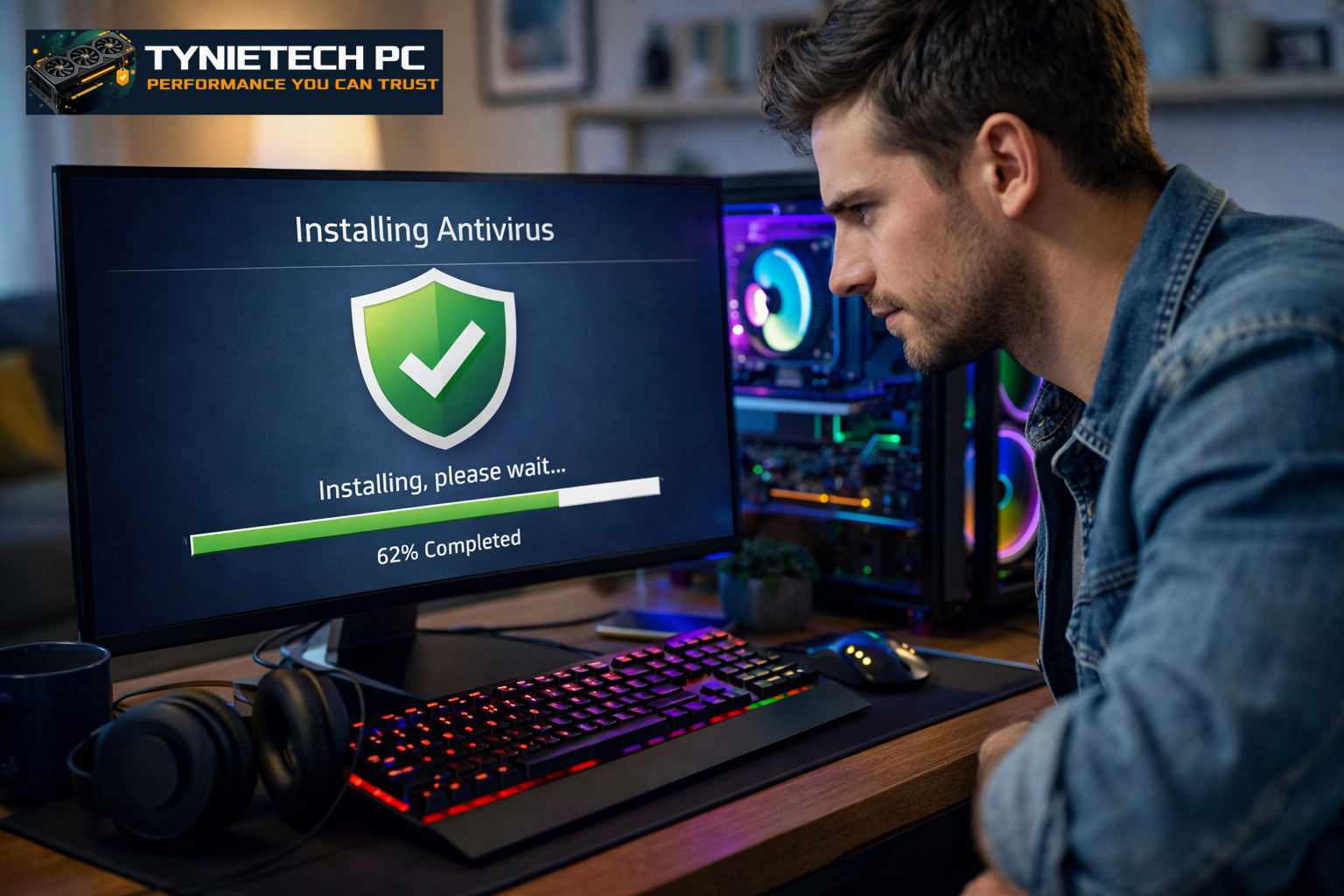
Not all antivirus products offer the same level of protection. Paid solutions usually provide better real-time protection and support than free ones. Look for a solution that uses both signature-based detection and behavior analytics. If your system is already infected, consider professional virus and malware removal to thoroughly clean your system.
Use a Firewall and Segment Your Network
A firewall blocks unauthorized connections and can prevent infected apps from reaching malicious servers. Make sure your firewall is active and configured properly. For added safety, use network segmentation, like setting up a separate guest Wi-Fi, to limit the spread of any potential infections.
Practice Strong Password Security
Passwords are a common weak spot. Use long, unique passwords for each account, and enable multi-factor authentication (MFA) when available. A password manager can help you store and autofill complex passwords securely. MFA adds an extra layer of security, making it harder for attackers to access your accounts.
Backup and Data Recovery: Steps That Work
The 3-2-1 Backup Rule
Follow the 3-2-1 rule: keep three copies of your data, use two different storage types, and store one copy offsite. This strategy protects against various failures and disasters. Offsite backups can be cloud-based or physically stored elsewhere to prevent them from being compromised during an attack.
Automate and Check Your Backups
Set up automated backups to ensure regular file snapshots. Verify your backups by performing test restores to ensure they work when needed. Regularly testing your backups gives you confidence that you can recover your data after an incident.
Encrypt and Protect Backup Credentials
Backups should be encrypted to prevent unauthorized access. Use strong passwords for backup credentials and store them securely. If you use cloud backup services, enable MFA and monitor access logs for unusual activity. Encryption keeps your backups safe from being an easy target.
Seek Professional Help for Complex Recovery
If backups fail or data loss is significant, professional services can help. Our data recovery services specialize in recovering files from damaged drives and other complex situations. Professionals use specialized tools to retrieve your data without risking further loss.
Future-Proofing Your Computer
AI in Cyber Defense
AI is helping cybersecurity by quickly spotting unusual patterns like odd login attempts or file transfers. AI tools can catch attacks early, reducing potential damage. Stay informed about AI-enhanced defenses to choose tools that offer both automated detection and human oversight.
Applying Zero Trust to Personal Devices
Zero Trust means not automatically trusting any device or user. It uses continuous verification and strict access controls. Use these principles by enabling MFA for remote services and limiting administrative accounts. Check out NIST's Zero Trust Architecture for detailed guidance.
Preparing for Quantum Computing Threats
Quantum computing could challenge current encryption methods, pushing the industry toward quantum-resistant cryptography. While you might not need changes now, it's good to be aware of this shift. NIST’s work on post-quantum cryptography outlines secure transition plans.
Real-World Examples of Zero Trust
Organizations like the Mayo Clinic use Zero Trust frameworks to protect sensitive data. These examples show how layered controls and strict access policies work. Even for smaller setups, these principles can help keep your data safe. Learn more from CISA about incident reporting and how to protect your data.
Quick Actions If You Suspect a Virus
Disconnect and Document
If you suspect malware, disconnect the affected computer from the network to stop the spread. Note any error messages or recent downloads to help technicians diagnose the issue faster.
Scan and Get Professional Help
Run a full system scan with a trusted antivirus tool. If the issue persists, or if you see signs of ransomware, contact professionals for advanced virus and malware removal. They have the tools to remove tough threats.
Restore From Verified Backups
After cleaning your system, restore files from verified backups. Don’t reconnect networked storage until you’re sure the threat is gone. If backups are missing or compromised, consult data recovery specialists.
When to Contact Authorities
Serious incidents, especially those involving financial loss or theft of sensitive data, should be reported to law enforcement. Reporting helps track threats and may be required for insurance claims or compliance.
Local Tips: Boston, Small Businesses, and PC Repair Shops
Why Boston is a Target
Boston's rich mix of educational centers and businesses makes it a prime target for cyber threats. Protecting your devices with strong security measures is crucial. Local repair shops can help maintain a secure setup and respond quickly to threats.
Tips for Repair Shops
PC repair shops should handle customer data with care, using secure data-wiping and encrypted transfers. Offering services like secure data erasure and forensic recovery builds client trust. Our custom-built computers service includes security-first configurations for local needs.
Community Resources in Boston
Partnering with local IT consultants and businesses strengthens regional security. Community events and workshops can raise cybersecurity awareness. Engage with local providers for regular security checkups.
Local Services for Recovery
Reliable local services for hardware upgrades and repairs can speed up recovery time. Services like hardware upgrades and laptop repair services keep devices running smoothly. Building relationships with trusted providers is key to resilience.
FAQs and Troubleshooting Guide
Is My PC Infected?
Slow performance, crashes, unknown applications, and excessive network activity are signs of infection. Use monitoring tools to check processes and run a full antivirus scan. Seek professional help if issues persist.
Is Free Antivirus Enough?
Free antivirus offers basic protection, but paid versions provide more comprehensive coverage and support. Consider your data's value and choose software that meets your needs and budget.
How Often Should I Back Up?
Backup frequency depends on how much data you can afford to lose. Weekly backups are a good start, but daily backups might be necessary for frequent changes. Automate backups and test restores regularly.
What to Do About Ransomware?
If files are encrypted, disconnect affected machines from the network and document ransom notes. Don’t pay the ransom without consulting professionals. Contact data recovery experts and report the incident.
Wrapping Up and Next Steps
Protecting your PC from viruses and data loss involves using strong security measures and having a solid backup plan. Keep your software updated, choose a good antivirus, use MFA, and practice good password habits. If you face a complex threat, professional services like our virus and malware removal and data recovery services can help restore your system and lower future risks.
If you're in the Boston area and need assistance, Tynietech PC offers customized solutions for home users and small businesses. Contact us for a security checkup or emergency malware removal. Protect your PC today—prevention and preparation are easier than recovery.
Ready to secure your computer? Visit our services page or call us at 619-857-7735 to schedule a diagnostic and protection plan.